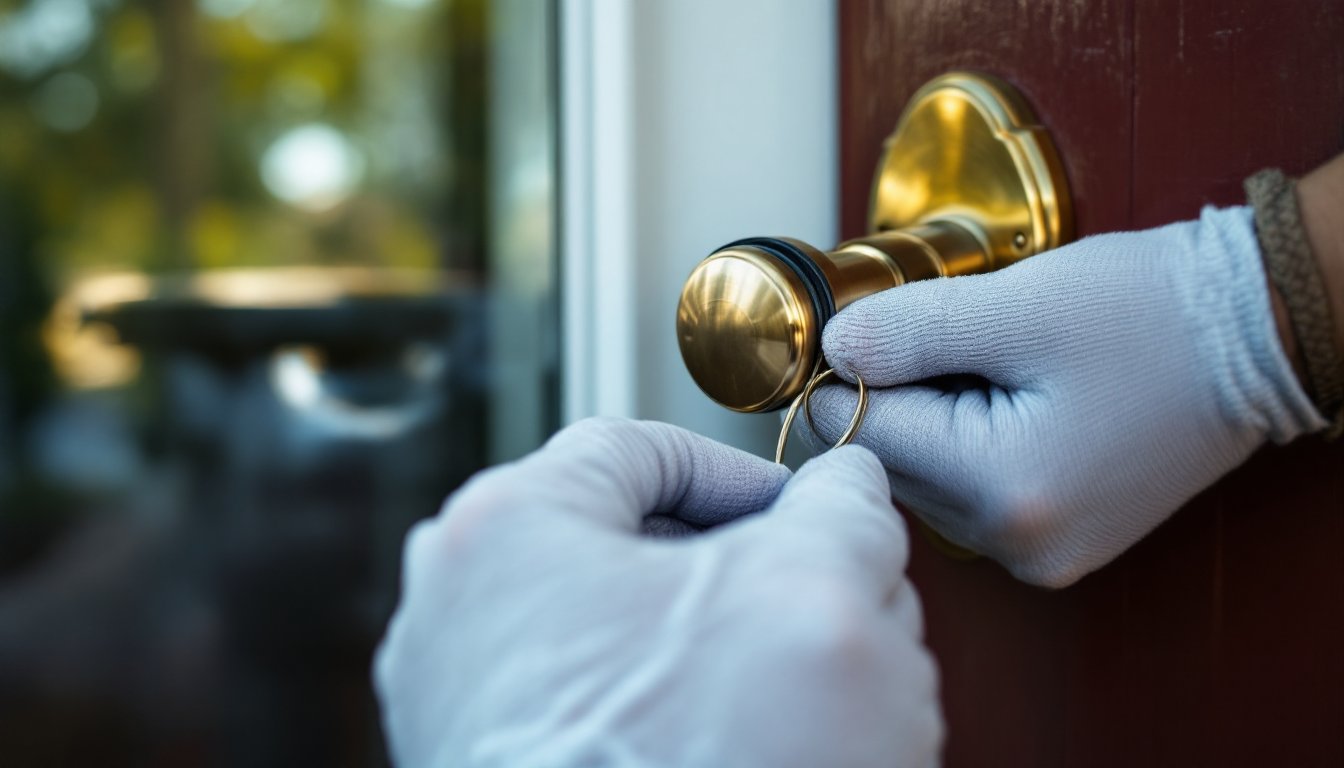
Will Rekeying Work With Existing Deadbolts?
Most standard deadbolts can be rekeyed without replacing the entire lock if the hardware is in good condition and uses a pin-tumbler design that supports…
Will Rekeying Work With Existing Deadbolts?
Will Rekeying Your House Locks Work With Existing Deadbolts in Arlington?
Most standard deadbolts can be rekeyed without replacing the entire lock, as long as the hardware is in good working condition and the brand supports pin-tumbler reconfiguration. Call or text (682) 413-8193 to confirm whether your specific deadbolt brand and model can be rekeyed and to schedule mobile service in Arlington.
While we primarily handle automotive locksmith work—car keys, fobs, and ignition systems—our team also provides residential locksmith services for homeowners throughout Arlington, Grand Prairie, Mansfield, and Euless who need lock rekeying, deadbolt service, or replacement.
What Rekeying Actually Means (And Why It Usually Works)
Rekeying means changing the internal pin configuration inside the lock cylinder so that the old key no longer works. A locksmith removes the cylinder from the deadbolt, replaces the pins with new ones that match a different key cut, and reassembles the lock. The deadbolt housing, strike plate, and bolt mechanism stay in place.
This process works for most pin-tumbler deadbolts—the type found in the majority of residential installations. Kwikset, Schlage, Yale, and Weiser deadbolts are all pin-tumbler designs that can be rekeyed as long as the cylinder and pins are not badly worn or damaged.
According to ALOA's consumer guidance on changing locks, rekeying is the standard method for securing a home after moving in, and it eliminates the need to replace functional hardware. The process takes minutes per lock when performed by a trained locksmith.
When Your Existing Deadbolts Can Be Rekeyed
Your deadbolts are good candidates for rekeying if they meet these conditions:
- Pin-tumbler mechanism: Most modern residential deadbolts use this design, which allows pin replacement.
- Good mechanical condition: The cylinder turns smoothly, the bolt extends and retracts fully, and the keyway shows no cracking or deformation.
- Same brand across all locks: If you want one key to operate multiple deadbolts, they must be the same brand or use compatible keyways. Mixing Schlage and Kwikset, for example, requires replacing one brand to match the other.
- Standard key control: High-security or restricted keyway deadbolts may require factory authorization or special blanks, but most residential hardware uses unrestricted keyways that any locksmith can rekey.
If your deadbolt has been operating without issue—turning smoothly, locking securely, not binding—it's almost certainly rekeyable. Poor door alignment or worn keys can sometimes mimic lock problems, so a locksmith will test the cylinder separately before recommending replacement.
When You'll Need to Replace Instead of Rekey
Some situations call for new deadbolts rather than rekeying:
- Worn or damaged cylinder: If the pins are corroded, the springs are weak, or the keyway is chipped, the lock won't hold the new pin configuration reliably.
- Incompatible brands: When you want all locks on one key but have multiple brands installed, you'll replace the mismatched units to create a unified system.
- Outdated or low-grade hardware: Builder-grade deadbolts installed decades ago may not meet current security standards. Replacing with Grade 1 or Grade 2 deadbolts improves both durability and resistance to forced entry.
- Smart lock upgrade: If you're moving to electronic or keypad deadbolts, rekeying isn't relevant—you're changing the lock technology entirely.
ALOA's lock issue guidance notes that locks wear over time, and high-use deadbolts (front doors, garage entries) often need replacement after many years of service. A locksmith can assess whether the internal components justify rekeying or whether replacement delivers better long-term value.
What to Expect: Cost and Process for Rekeying Deadbolts
Rekeying a deadbolt involves removing the cylinder, swapping the pins, cutting a new key if needed, and reassembling the lock. The locksmith confirms that the bolt operates smoothly and that the new key turns without binding.
For service in Arlington and surrounding areas, here's a general cost breakdown:
| Service | Typical Range | Notes |
|---|---|---|
| Rekey single deadbolt | $20–$40 per lock | Includes new pins and labor; assumes good condition |
| Rekey multiple deadbolts (master key) | $15–$35 per lock | Volume discount when rekeying several locks to one key |
| New key cutting | $3–$8 per key | Additional copies beyond the first |
| Service call / trip charge | $50–$100 | May be waived if rekeying multiple locks |
| Deadbolt replacement (if needed) | $75–$200 per lock | Includes new hardware, installation, and key(s) |
Pricing depends on lock brand, condition, and the number of locks being rekeyed. Expect a firm quote before work begins.
For a detailed breakdown of locksmith pricing across automotive and residential work, see What's the Average Cost for Locksmith Services in Arlington.
The entire process typically takes fifteen to thirty minutes per deadbolt. If you're rekeying four deadbolts and a keyed entry knob to match, plan on an hour to ninety minutes onsite.
Rekeying vs. Replacing: Which Makes Sense for Your Situation
Rekeying makes sense when your deadbolts are mechanically sound, you want to control access quickly, and you don't need hardware upgrades. It's the fastest and most economical way to secure a home after moving in, losing keys, or ending a relationship with someone who had a copy.
Replacing deadbolts makes sense when the hardware is old, mismatched, or low-grade, or when you want to upgrade security, add smart features, or standardize on a single brand across all doors. Replacement also addresses aesthetic concerns—if you're updating door hardware finishes throughout the house, new deadbolts match the design.
Many homeowners combine both approaches: rekey the newer, higher-quality deadbolts and replace the builder-grade units on secondary doors. A locksmith can walk through your home and recommend the most cost-effective mix.
If you're comparing mobile locksmith service to other options, Mobile Locksmith Arlington Vs Dealership explains why on-site service is often faster and more convenient than transporting hardware or waiting for appointments—principles that apply to both automotive and residential locksmith work.
Frequently Asked Questions About Rekeying Deadbolts
Can I rekey my deadbolts myself?
Rekeying kits are available for popular brands like Kwikset and Schlage, and the process is straightforward if you're comfortable with small mechanical parts. However, mistakes—incorrectly sized pins, misaligned springs, or damaged cylinders—can leave the lock non-functional. A locksmith brings the right tools, manufacturer-specific knowledge, and replacement parts if needed.
How long does a rekeyed deadbolt last?
A properly rekeyed deadbolt performs just as reliably as a new lock, and the lifespan depends on usage and maintenance. Residential deadbolts typically last ten to twenty years with normal use. Rekeying doesn't reduce durability as long as the cylinder and pins are in good condition when serviced.
Can all my locks be rekeyed to use one key?
Yes, if they are the same brand or use compatible keyways. Schlage locks can be rekeyed to match other Schlage locks, and Kwikset locks can be rekeyed to match other Kwikset locks. Mixing brands requires replacing one set to match the other. A locksmith can create a master key system if you want separate keys for some locks but one master that opens all.
Will rekeying damage my deadbolt?
No. Rekeying is a standard maintenance procedure that doesn't alter the lock housing, bolt mechanism, or strike plate. The locksmith removes the cylinder, changes the pins, and reassembles the lock without modifying the exterior or interior trim. Damage only occurs if the lock is already worn or if improper tools are used.
Should I rekey or replace after a break-in?
If the deadbolt wasn't compromised—meaning the intruder entered through a window or a different door—rekeying is sufficient to restore security with new keys. If the deadbolt was forced, picked, or damaged, replace it with a higher-grade unit. A locksmith can inspect the lock and recommend the appropriate response based on the condition and the level of force applied.
Get Your Locks Rekeyed by Arlington's Mobile Locksmith
Whether you've just moved into a new home in Arlington, lost track of who has copies of your keys, or need to secure your property after a tenant moved out, rekeying your existing deadbolts is usually the fastest and most economical solution. Most standard deadbolts can be rekeyed in minutes as long as the hardware is in good working order.
We handle residential rekeying and deadbolt service throughout Arlington, Mansfield, Grand Prairie, Euless, and the surrounding Tarrant County area. Our technicians arrive with the tools, pins, and blanks needed to rekey your locks onsite, and we'll give you a clear price before starting work.
Call or text (682) 413-8193) to schedule rekeying service or to confirm whether your specific deadbolt brand can be rekeyed. We're available around the clock for automotive locksmith emergencies and can coordinate residential lock service at your convenience.